
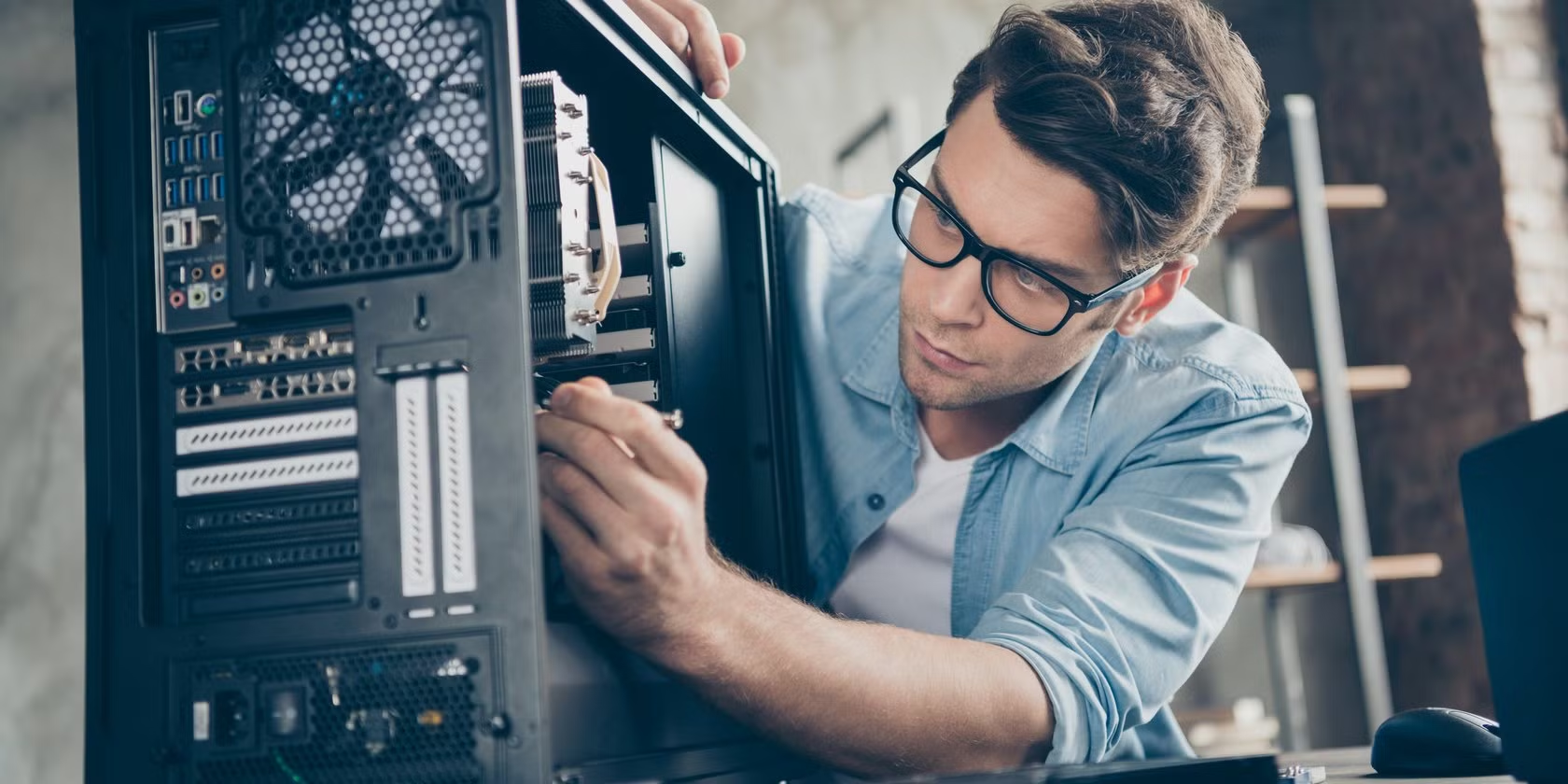
Technology continues to evolve rapidly, and many users feel pressure to replace their computers every few years to keep up with changing software requirements and performance expectations. However, purchasing a completely new device is not always necessary. In many cases, upgrading key hardware components can significantly improve a computer’s performance and extend its lifespan, allowing users to get more value from their existing devices.
Hardware upgrades have become a practical solution for both individuals and businesses looking to maintain productivity while reducing costs. By improving specific components rather than replacing an entire system, users can often enjoy a faster and more efficient computing experience at a fraction of the cost of a new computer.
Improving System Performance
One of the main reasons people upgrade computer hardware is to improve performance. Over time, software applications become more demanding, requiring additional processing power and memory. As a result, older computers may struggle to handle everyday tasks such as web browsing, video conferencing, content creation, or multitasking. In the same way that users compare different hardware options before making an upgrade, buyers can visit comparison platforms such as crazyvegas casino to learn about different casino online features.
Upgrading components such as random access memory (RAM) can help a system run more smoothly by allowing it to manage multiple applications more efficiently. Additional memory can reduce delays, improve responsiveness and create a better overall user experience.
Similarly, replacing an older hard disk drive (HDD) with a solid-state drive (SSD) can dramatically improve boot times, application loading speeds and file transfers. Many users find that this single upgrade makes an aging computer feel significantly faster.
Delaying the Need for Replacement
Replacing a computer can be a major expense, particularly for businesses managing multiple devices. Hardware upgrades provide a cost-effective alternative by extending the useful life of existing equipment.
Rather than purchasing entirely new systems, users can invest in specific upgrades that address their most pressing performance issues. This approach allows organisations and individuals to continue using devices that remain functional while avoiding unnecessary spending.
Extending the lifespan of a computer can also reduce downtime associated with migrating files, installing software and configuring new systems.
Supporting Modern Software Requirements
Operating systems and software applications regularly receive updates that introduce new features and security improvements. These updates may also increase hardware requirements, making older computers less capable of running them efficiently.
Upgrading key components can help devices meet these changing requirements. Increased memory, faster storage and improved graphics capabilities can allow older systems to run newer software more effectively and maintain compatibility with modern applications.
This is particularly important for users who rely on specialised software for professional, educational or creative purposes.
Reducing Electronic Waste
Hardware upgrades can also contribute to environmental sustainability. Discarding computers that are still functional creates electronic waste, which can present significant environmental challenges if not managed properly. For those interested in understanding hardware upgrades, websites such as crazyvegas provide an opportunity to explore https://www.crazyvegas.com/au/online-casinos/new/.
By upgrading and maintaining existing devices, users can reduce the number of computers sent to landfills and decrease demand for new manufacturing. Extending the life of electronic equipment supports more responsible consumption practices and helps minimise the environmental impact associated with producing new hardware.
As awareness of sustainability continues to grow, many organisations are exploring ways to maximise the lifespan of their technology assets through repairs and upgrades.
Enhancing Specific Capabilities
Different hardware upgrades can address different user needs. For example, graphic designers, video editors and gamers may benefit from upgrading their graphics processing units (GPUs) to handle demanding visual applications. Professionals who work with large files may benefit from faster storage solutions and increased memory capacity.
Because upgrades can be tailored to individual requirements, users can improve the aspects of a computer that matter most to their daily activities. This flexibility makes hardware upgrades an efficient way to optimise performance without purchasing entirely new systems.
A Practical Approach to Long-Term Device Use
Computer hardware upgrades remain one of the most effective ways to extend the lifespan of electronic devices. By improving performance, supporting modern software, reducing replacement costs and promoting sustainability, upgrades allow users to maximise the value of their existing technology.
As computing needs continue to evolve, strategic hardware improvements can help ensure that computers remain reliable, capable and productive for many years beyond their original purchase date.