
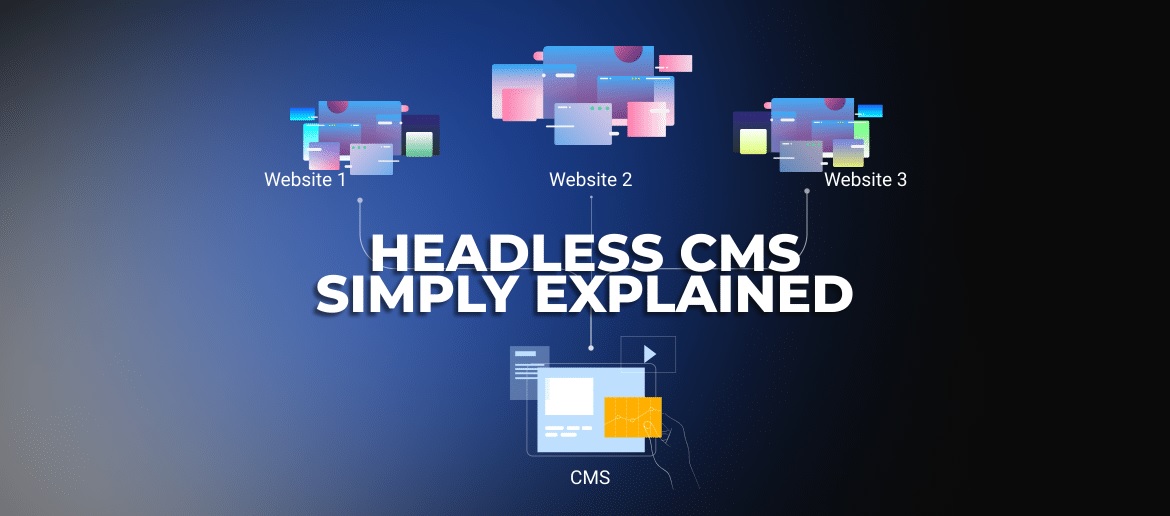
Websites have changed considerably over the years. Businesses today are not only building traditional websites; they are creating digital experiences across mobile apps, online stores, smart devices, and other platforms. Managing content across all these channels can become complicated. This is where a headless Content Management System, or headless CMS, offers a different approach.
What Is a Headless CMS?
A traditional CMS usually connects the content management system directly to the part of a website that visitors see. A headless CMS separates these two parts.
The CMS manages and stores content, while developers decide how and where that content is displayed. Content can then be delivered through APIs to websites, mobile applications, digital displays, or other platforms.
This separation gives businesses greater freedom when building digital experiences. A relatable example is when you check out aus online casinos.
More Freedom for Developers
One of the biggest advantages of a headless CMS is flexibility. Developers are not necessarily tied to the design and technology limitations of a traditional CMS.
They can choose the programming languages, frameworks, and tools that best suit a particular project. This can make it easier to create highly customised websites and applications instead of forcing every project into the same structure.
For development teams, that freedom can make experimentation much easier.
One Content Source, Multiple Platforms
Imagine a business that publishes a product description. Instead of creating separate versions for its website, mobile app, and other digital platforms, the same content can potentially be delivered to each channel through an API.
This makes content management more efficient. Teams can update information in one place and distribute it across different experiences.
For businesses with a presence across multiple platforms, this can save time and reduce unnecessary duplication.
Better Digital Experiences
Because the front end is separate from the content system, businesses can design experiences specifically for their audiences.
Developers can focus on speed, accessibility, responsive design, and user experience without being restricted by the structure of the content management system. This can be particularly useful for businesses that want their digital platforms to stand out.
Challenges to Consider
A headless CMS is not automatically the best solution for every website with a page for the best payout online casino australia. It can require more technical knowledge because developers have greater responsibility for building and maintaining the front end.
There may also be additional work involved in connecting different services and managing APIs. Smaller businesses without technical teams may therefore need external developers or agencies to manage the setup.
A Flexible Future for Content
As businesses continue to publish content across more digital channels, flexibility is becoming increasingly important. A headless CMS provides a way to separate content management from presentation, giving developers and businesses more control over how information is delivered.
It may not replace traditional CMS platforms entirely, but its flexibility makes it an attractive option for modern digital projects. For businesses planning to expand across websites, apps, and emerging platforms, a headless approach can provide the freedom needed to adapt as technology continues to evolve.