
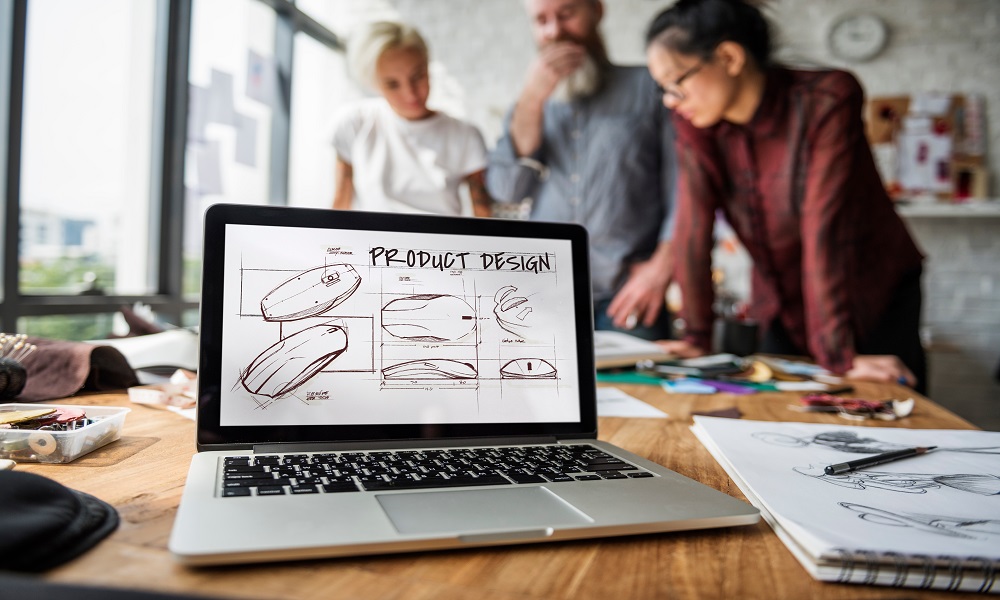
Design development today is far beyond sketching interfaces or styling buttons — it’s about creating intelligent, scalable systems that bridge creativity and engineering with precision. The organizations leading in product innovation have evolved design from a visual craft into a strategic engineering discipline, where every component, rule, and interaction exists within a living ecosystem.
This article explores advanced methodologies, system-level integrations, and forward-looking trends in design development, focusing on scalability, maintainability, and the seamless collaboration between design and code.
What is Design Development in Modern Product Environments
Design development is the strategic transformation of design concepts into production-grade systems that are fully integrated into a product’s engineering workflow. Unlike traditional handoff processes, where designers deliver static visuals to developers, design development merges these roles through shared systems and automated workflows.
It involves:
-
Design tokens that unify spacing, typography, and colors across code and design tools.
-
Component-driven architectures that keep interfaces modular and consistent.
-
Automated pipelines that translate visual assets into production-ready components.
-
Version-controlled repositories where designers and developers co-manage design systems.
The outcome is not just design output, but design infrastructure — a dynamic ecosystem that continuously evolves, scales, and adapts to the changing needs of the product.
The Shift from Design to Design Development
The transition to design development represents a shift from delivering assets to delivering systems. Previously, design was often seen as a creative phase that ended once mockups were approved. Now, it’s an iterative engineering process — one that directly influences performance, accessibility, and scalability.
Three factors have accelerated this shift:
-
Component-Based Frameworks like React, Vue, and Angular have turned UI design into reusable code blocks, enabling designers to think modularly.
-
DesignOps Integration has connected design and development workflows, creating a shared responsibility for product quality.
-
Continuous Delivery Models demand design systems that evolve as quickly as code does, ensuring alignment during rapid releases.
Designers are no longer working in isolation. Instead, they are part of multi-disciplinary teams that iterate in real time, where every design choice is validated through code and data.
The Strategic Core of Design Development
At its core, design development focuses on creating an operational bridge between design intent and engineering implementation. The success of this process lies in three strategic pillars:
1. Design Systems as Living Frameworks
A design system is more than a style guide. It is a version-controlled, code-integrated repository that serves as the single source of truth for all design decisions.
A living design system:
-
Evolves continuously through Git versioning and automated CI/CD pipelines.
-
Defines design tokens that map directly to code variables.
-
Includes reusable React or Web Components for consistent UI behavior.
-
Synchronizes documentation using tools like Storybook, Figma, or Zeroheight.
The maturity of a design system defines the scalability of the entire design operation.
2. Design Tokens and Semantic Layering
Design tokens form the semantic layer between design tools and codebases. They abstract the visual values (colors, typography, spacing) into language-neutral variables, ensuring that a single change can propagate across multiple platforms.
For instance, updating a color palette in Figma can automatically trigger updates in the codebase through a token management pipeline. This minimizes redundancy, reduces the risk of human error, and ensures consistency across devices and frameworks.
3. Cross-Functional Collaboration
The success of design development depends on collaboration at the code level. Modern teams use shared repositories, collaborative pull requests, and unified build processes where both designers and developers contribute.
Best practices include:
-
Co-authoring documentation that captures both visual and functional aspects.
-
Using shared design systems managed by both UX and engineering teams.
-
Running visual regression tests to identify UI drifts during code updates.
This deep integration transforms the design process from an artboard exercise into a technical discipline that is measurable, maintainable, and continuously improvable.
The Role of Automation and CI/CD in Design Development
Automation is the backbone of modern design development. By integrating design workflows with CI/CD (Continuous Integration and Continuous Deployment), teams can automate validation, documentation, and deployment of design updates.
For example:
-
Automated Design Token Sync: Connects design variables in Figma to Git-based repositories.
-
Visual Regression Testing: Detects unintended UI changes before deployment.
-
Design System CI Pipelines: Build and publish reusable components automatically.
These practices eliminate manual inconsistencies and bring engineering-level rigor to design iteration. The result is a frictionless environment where design decisions can be deployed as confidently as code.
Advanced Implementation Strategies for Scalable Design Development
To build a design development system that can scale across teams and products, organizations should focus on advanced implementation principles that go beyond visual consistency.
1. Multi-Brand Design Architecture
Large enterprises often maintain multiple product brands under a single design system. Implementing multi-brand architecture through design tokens allows for brand-specific overrides while maintaining global consistency.
Example: One base design system can serve multiple brands by applying variable themes and scoped component libraries.
2. Accessibility as a Core Code Principle
Accessibility should not be an afterthought. Embedding ARIA roles, keyboard navigation, and color contrast compliance into design components ensures inclusivity and compliance from the start.
Accessible design systems help prevent rework, reduce legal risks, and improve user experience for all audiences.
3. API-Driven Design Workflows
API-driven design allows data and design to co-evolve. Through Figma plugins and design automation APIs, teams can connect real product data to prototypes and automatically generate documentation or specifications.
This bi-directional integration between design tools and engineering environments creates a feedback loop that shortens development time and increases design accuracy.
4. Scalable Governance Models
As design systems grow, governance becomes critical. Establishing DesignOps governance models defines who maintains tokens, who approves changes, and how updates are versioned.
Without governance, design systems often collapse under their own weight. Strong governance ensures sustainability and scalability.
Future Trends in Design Development
Design development continues to evolve rapidly, especially with the integration of AI and machine learning. Emerging trends include:
-
AI-assisted design-to-code translation, where AI models can generate front-end components directly from Figma or Sketch.
-
Predictive design systems, capable of auto-suggesting interface patterns based on past user data.
-
Real-time design linting, where design tools can automatically flag inconsistencies or accessibility issues before handoff.
-
Cloud-native design operations, centralizing design tokens and assets in distributed repositories for global collaboration.
The next generation of design development will be self-optimizing and context-aware, minimizing manual intervention and ensuring products stay aligned with evolving standards and technologies.
Conclusion
Design development is not just an intersection of design and engineering — it is the operational backbone of modern digital products. By merging design intent with technical precision, organizations can create systems that are scalable, consistent, and adaptable.
Investing in a mature design development strategy empowers teams to ship faster, reduce design debt, and deliver cohesive user experiences that scale across products, platforms, and time.
FAQs
1. How does design development differ from traditional UI design?
Traditional UI design focuses on creating visuals, while design development focuses on creating systemized, production-ready components integrated into code.
2. What are the essential tools used in design development?
Key tools include Figma, Storybook, GitHub, Style Dictionary, Zeroheight, and CI/CD platforms like GitLab or Jenkins for automation.
3. How do design tokens improve scalability?
Design tokens act as the single source of truth for design variables, ensuring every platform and framework uses consistent visual values.
4. Why is governance crucial in design systems?
Governance prevents fragmentation by defining roles, approval processes, and versioning strategies to maintain design consistency over time.
5. Can AI play a role in design development?
Yes, AI is increasingly being used to automate design-to-code workflows, detect inconsistencies, and optimize design systems through predictive insights.
6. What challenges do teams face during design development implementation?
Common challenges include poor communication between designers and developers, lack of version control, and inadequate governance structures.
7. How does accessibility fit into design development?
Accessibility should be embedded at the component level, ensuring that all design elements meet WCAG standards and provide inclusive experiences for users.